
Deep wound, fracture, severed tendon, nerve injury or amputated finger: some injuries require surgeons trained in the specific techniques of hand repair and reconstruction.
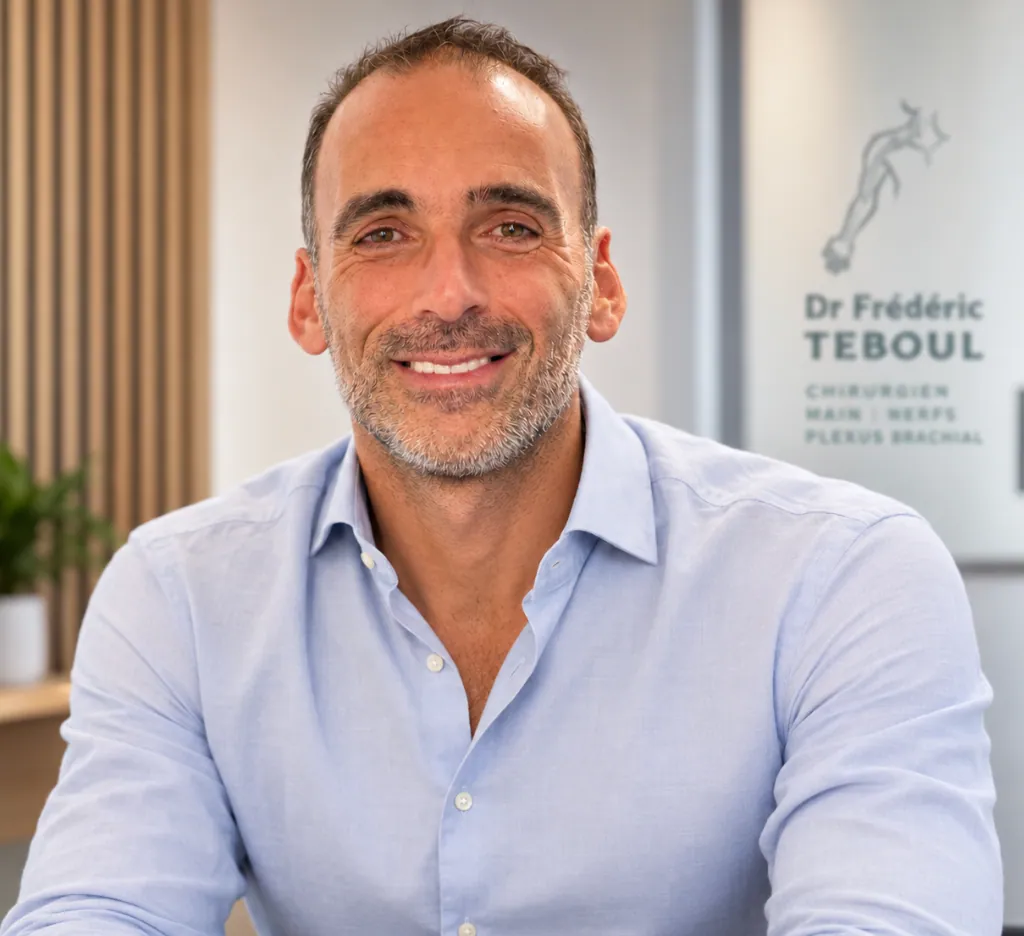
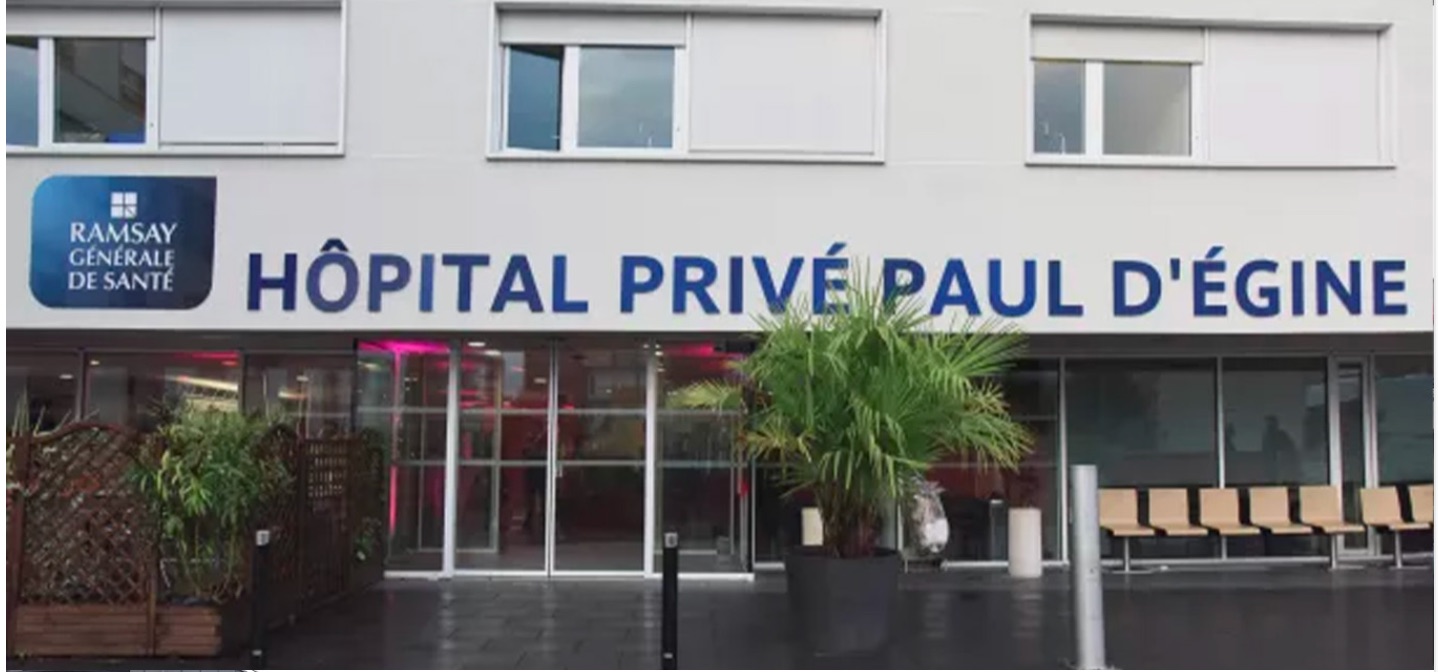
Dr Frédéric Teboul, a surgeon specialising in the hand, the peripheral nerves and the upper limb, is part of the team at the SOS Main centre of the Paul-d'Égine private hospital in Champigny-sur-Marne.
SOS Main: a specialised organisation to preserve hand function
Our hands are involved in almost everything we do: working, writing, grasping an object, playing sport or carrying out the simplest everyday tasks.
Yet an injury that may look minor can damage delicate structures: tendons, nerves, arteries, bones or joints.
SOS Main addresses a major need: giving patients with a hand injury access to appropriate surgical expertise, within a timeframe that matches the severity of their injury.
Centres approved by the French federation of hand emergency services (FESUM) rely on specialised teams, an organisation that ensures continuity of care, and equipment suited to hand surgery and microsurgery.
The aim is to treat the injuries, preserve mobility and sensation as far as possible, and limit functional after-effects.
When should you go to SOS Main?
Some injuries require urgent medical assessment, in particular:
Deep wounds of the hand or fingers
with a risk of tendon, nerve or vascular injury.
Severed or partially amputated fingers
which may call for a discussion of replantation options.
Complex fractures and dislocations
especially when they come with a wound or a marked deformity.
Crush injuries and severe trauma to the hand.
Hand infections
such as some whitlows or deep infections.
Loss of sensation, loss of movement or circulation problems after an accident.
Even a small wound can hide deep damage. If in doubt, a medical assessment is better than a long wait.
What to do if a finger is amputated?
What you do in the minutes after the accident matters for what follows. Here is how to act to give the best possible chance of recovery.
Dr Frédéric Teboul and SOS Main: expertise at the service of patients
A surgeon specialising in the hand and the upper limb, Dr Frédéric Teboul is a member of the SOS Main team at the Paul-d'Égine private hospital, in the east of the Paris area.
His practice combines hand surgery, reconstructive microsurgery and the treatment of injuries to the peripheral nerves and the brachial plexus.
He has particular experience in nerve repair, reconstruction techniques and procedures designed to restore certain functions of the upper limb.
His commitment also extends to teaching, research and the professional representation of hand surgeons.
From emergency to recovery: a coordinated care pathway
Treating a hand injury does not end with the surgical procedure.
Assess the injuries
Clinical examination, completed if necessary by imaging, identifies the structures involved and the level of urgency.
Choose the right treatment
Not every injury needs an operation. Depending on the diagnosis, immobilisation, local care or surgery may be indicated.
Repair when necessary
Specialised surgery can repair certain tendons, nerves or vessels, stabilise a fracture or reconstruct damaged tissue.
Support recovery
Medical follow-up, splints and specialised rehabilitation help gradually restore mobility, strength and use of the hand.
How long recovery takes, and how much can be recovered, depend on the severity of the injuries and on each patient's situation.
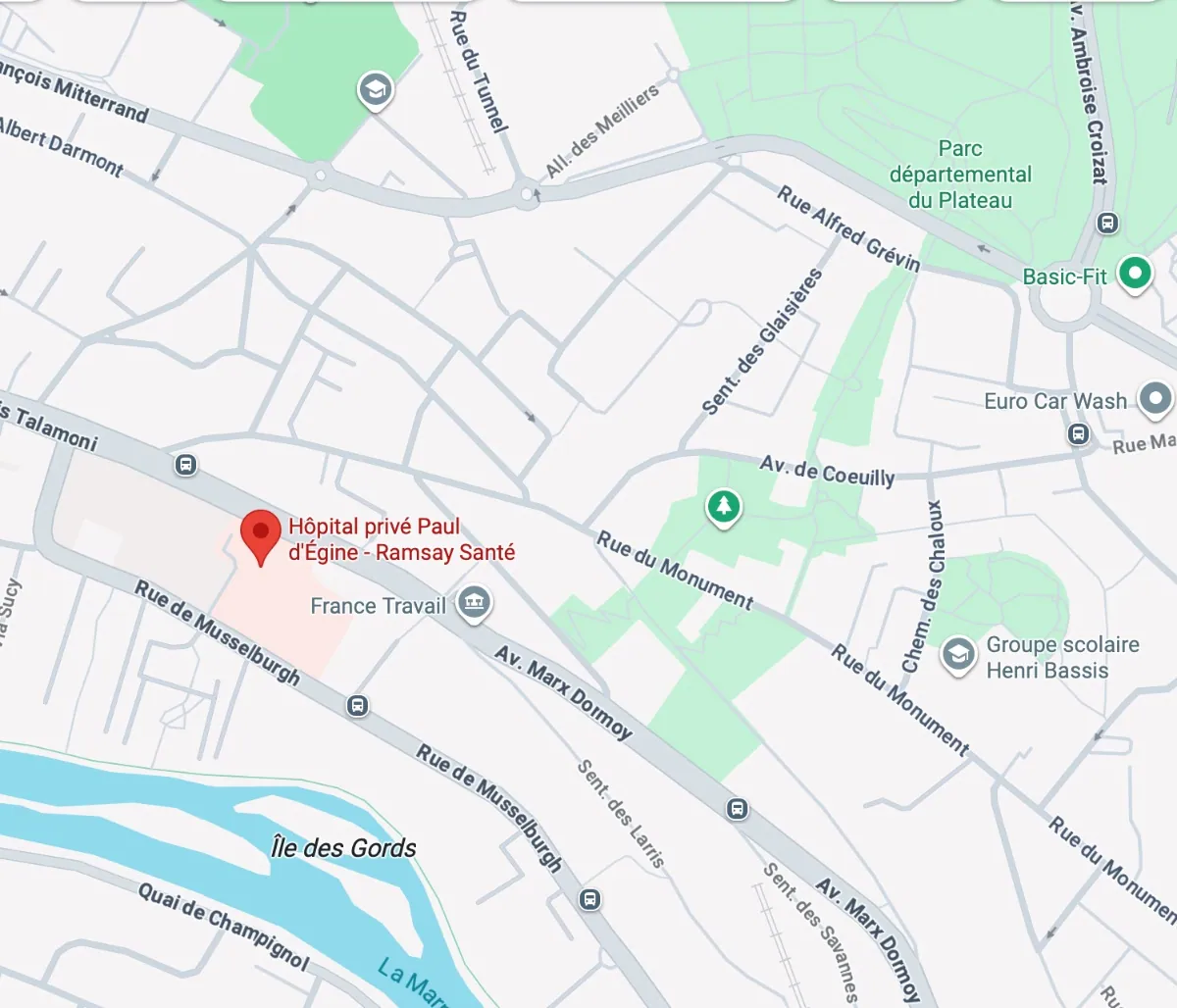
SOS Main in Champigny-sur-Marne: where to go?
The SOS Main centre of the Paul-d'Égine private hospital is listed by FESUM and has an organisation for receiving hand emergencies 24 hours a day, 7 days a week.
After a serious accident, call 15 or 112 to be directed to the right place. The contact form and the usual appointments at Dr Teboul's practice are not intended for medical emergencies.
Frequently asked questions
Your hand deserves the right care
After an injury, an accurate diagnosis and the right referral can make a real difference to functional recovery.
At the SOS Main centre of the Paul-d'Égine private hospital, Dr Frédéric Teboul takes part in this specialised care, with an approach based on surgical expertise, individual assessment and a careful weighing of benefits and risks.
A hand emergency? Contact the SOS Main centre.
Contact SOS MainWould you like a specialist opinion outside an emergency? Book an appointment with Dr Frédéric Teboul.
Book an appointment with Dr TeboulReviewed and validated by Dr Frédéric Teboul, hand, brachial plexus and peripheral nerve surgeon, member of the French National Academy of Surgery.
Last updated: 2 November 2026
Disclaimer. This article is for information only. It does not replace a medical consultation. In a serious emergency, call 15 or 112.